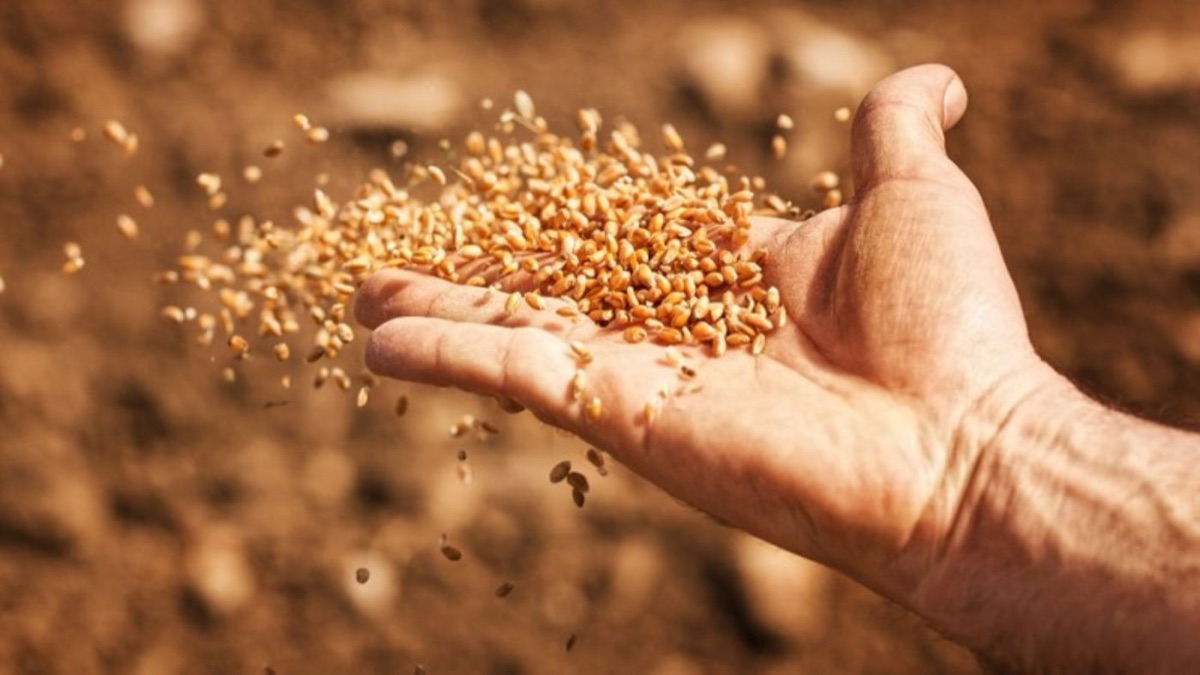
The Parable of the Sower is wonderful in the sense that it tells us about our spiritual standing. Mark 4:1-20 gives us the parable with an earthly story with a heavenly meaning. Mark 4:4-8 says “And it came to pass, as he sowed, some fell by the wayside, and the fowls of the air came and devoured it up. And some fell on stony ground, where it had not much earth; and immediately it sprang up because it had no depth of earth: But when the sun was up, it was scorched; and because it had no root, it withered away. And some fell among thorns, and the thorns grew up and choked it, and it yielded no fruit. And other fell on good ground, and did yield fruit that sprang up and increased; and brought forth, some thirty, and some sixty, and some a hundred.”
The meaning of the parable is also explained by the Lord in Mark 4:13-20 “The Sower soweth the word. And these are they by the way side, where the word is sown; but when they have heard, Satan cometh immediately, and taketh away the word that was sown in their hearts. And these are they likewise which are sown on stony ground; who, when they have heard the word, immediately receive it with gladness; And have no root in themselves, and so endure but for a time: afterward, when affliction or persecution ariseth for the word's sake, immediately they are offended. And these are they which are sown among thorns; such as hear the word, And the cares of this world, and the deceitfulness of riches, and the lusts of other things entering in, choke the word, and it becometh unfruitful. And these are they which are sown on good ground; such as hear the word, and receive it, and bring forth fruit, some thirtyfold, some sixty, and some a hundred.”
“Sower” is one who sows the “word of God”. It might be the Spirit of God, a preacher, a teacher, a missionary, a Gospel song, a Gospel tract, a book or a testimony. The “seed” is the Gospel, the good news is that Jesus came into this world, died for sinners, rose again from the dead, and offers full and free salvation to everyone who believes. The “soil” in this parable represents the heart or the mind of the person who hears the Gospel of grace. In this parable, some of the “seed” produces fruit and some does not. The problem was not the “seed”; the problem was the “soil”. Everyone who hears the Gospel hears it in a different way. Some revile it, some reject it and some receive it. It is the “soil” that is the primary emphasis of this parable.
The seed sown on the path, and eaten by birds, represents anyone who hears the word of God and does not understand it. The seed that falls on the rocky ground represents someone who hears the word of God and immediately receives it with joy. However, they have no root or foundation, so they do not last very long. Jesus says, "when trouble or persecution arises on account of the word, that person immediately falls away." (Matt. 13:21). The seed that falls on the ground with thorns is representing someone who hears God’s word, but the concerns of the world, worldly pleasures, money, etc, end up choking the word. The word of God is not able to yield any fruit in that person’s life.
The seed that falls on good soil represents "the one who hears the word and understands it, who indeed bears fruit and yields." (Matt. 13:23) As this parable of the sower and four soils illustrates, only seed that produces fruit is considered to have fallen on good soil. If the word of God does not produce fruit in our lives, then our hearts are not fertile soil for God's word. This is because our actions reveal the truth about what we truly believe and they reveal whether we really understand the meaning of genuine repentance and repent in the true sense.
Dr Ashwin Drummond